A pervasive myth in technology procurement is that software is a 'project' with a defined finish line. You design it, build it, launch it, and walk away. In reality, software is a living asset. The operating environment constantly shifts: browsers update, cloud platforms deprecate runtimes, security attack vectors evolve, and business models adapt.
Software that is not continuously engineered begins accumulating technical debt the moment it launches, steadily degrading in speed, stability, and security until a painful rewrite becomes unavoidable.
The Discipline of Continuous Engineering
1. Proactive Telemetry Over User Complaint Monitoring
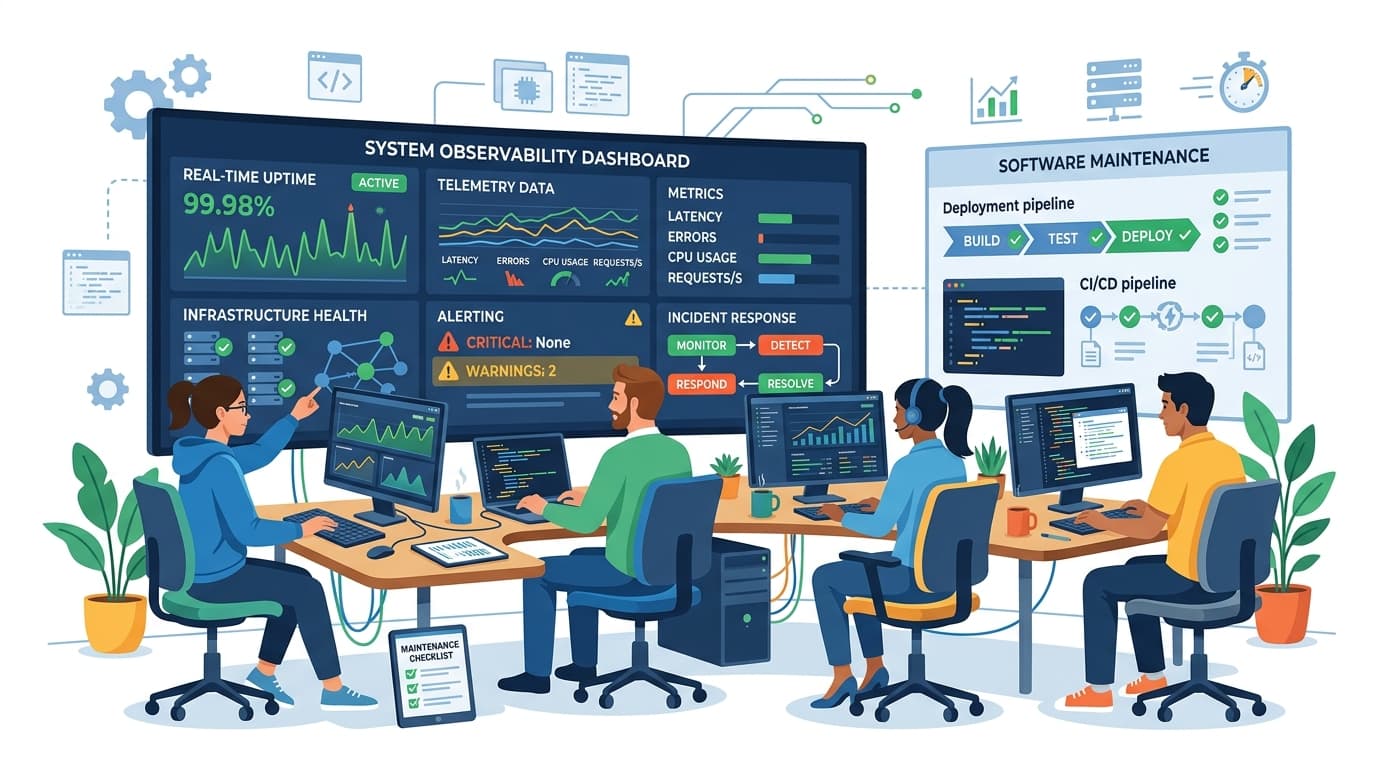
If a customer has to email your support desk to inform you that your checkout page threw a 500 error, your observability has failed. We instrument applications with real-time error tracking (Sentry) and infrastructure telemetry. Unhandled exceptions, abnormal database query durations, and memory leak warnings trigger automated developer alerts within seconds of occurrence, allowing fixes before widespread user impact.
2. Dependency Auditing and Security Patching
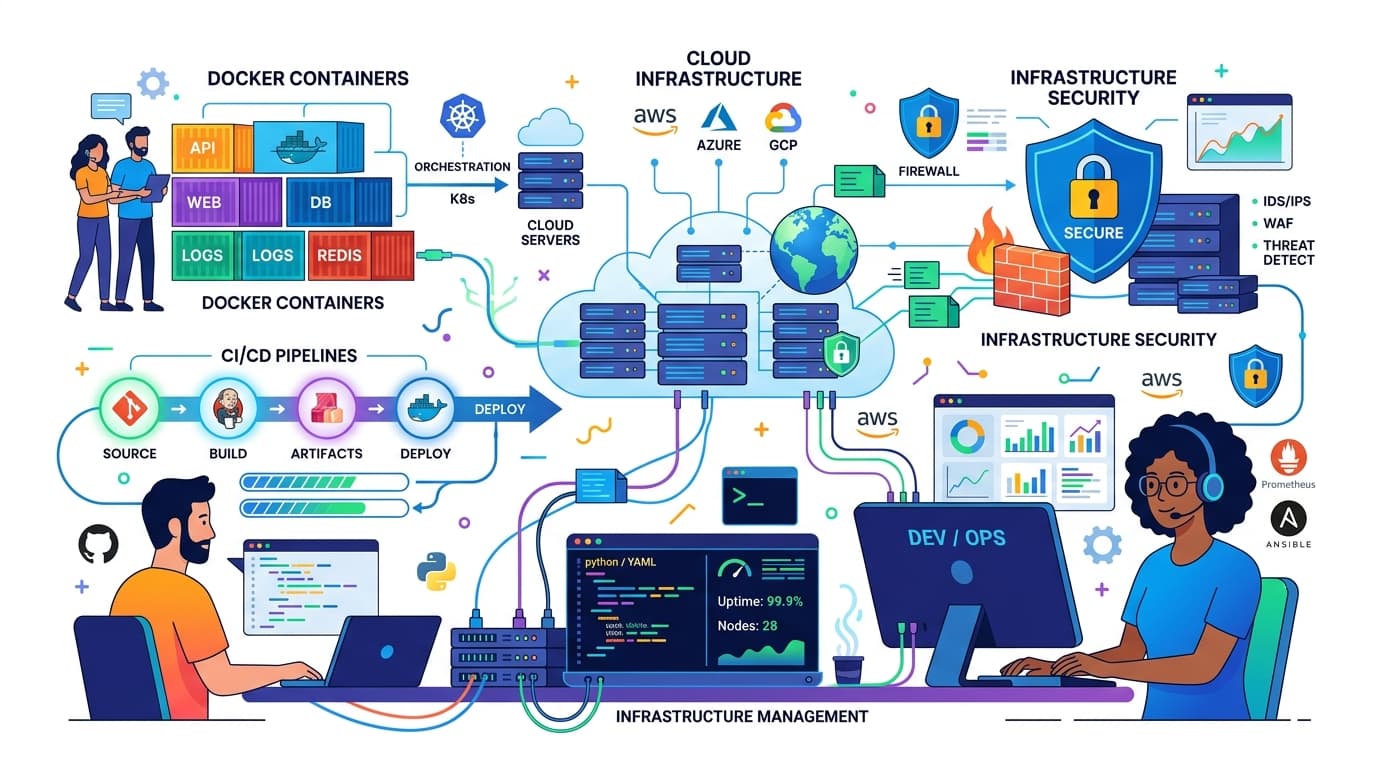
Open-source frameworks and libraries undergo continuous security scrutiny. Known vulnerabilities (CVEs) are published daily. Through automated dependency scans and scheduled engineering review cycles, we keep frameworks, runtime dependencies, and cryptographic packages up to date, eliminating security attack surfaces proactively.
3. Performance Budgets and Continuous Optimization
As databases expand from 10,000 rows to 10 million rows, queries that took 5 milliseconds during launch can degrade into multi-second table scans. We monitor database slow query logs and API latency percentiles (p95, p99), proactively tuning database indexes, query shapes, and caching tiers before traffic spikes expose bottlenecks.
4. Structured Evolution and Technical Alignment
Continuous engineering is not just fixing bugs; it is aligning software capabilities with expanding business ambitions. Through structured sprint cycles, we work alongside our partners to iteratively release new features, refine existing user journeys, and scale infrastructure in lockstep with business growth.